
 Mabel R. Acton
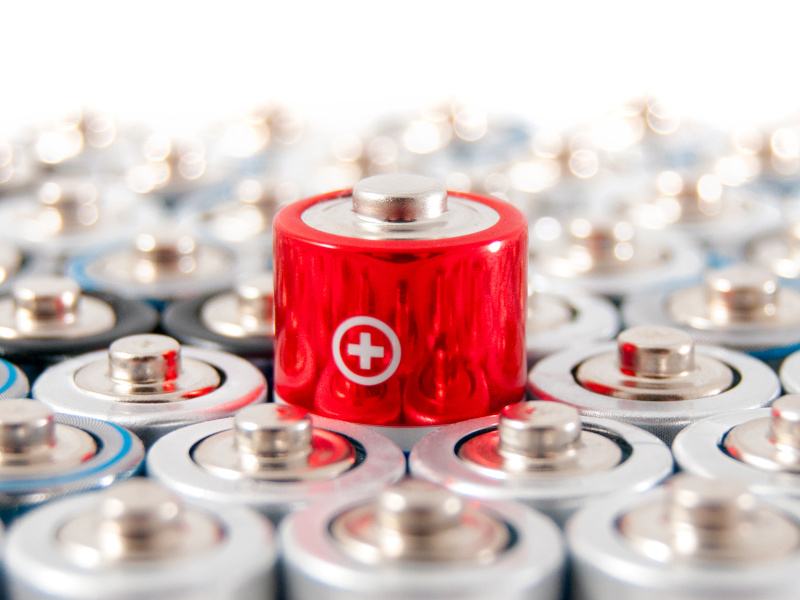
The new regulations aim to reduce the environmental impact of batteries and create a competitive industry within the EU.
EU lawmakers have agreed on new rules to make batteries more sustainable and support Europe’s energy goals.
A provisional agreement was reached between the European Parliament and Council on 9 December for regulations that will cover the entire life cycle of batteries, from the sourcing of materials to recycling and repurposing.
It means that sustainability requirements will be introduced for batteries from 2024 onwards, in areas such as carbon footprint, recycled content, performance and durability.
All collected batteries will have to be recycled and high levels of recovery will need to be achieved, with a focus on valuable materials such as copper, cobalt, lithium, nickel and lead.
The regulations will also mean that companies placing batteries on the EU market will have to demonstrate that the materials used for manufacturing were sourced responsibly.
The rules stem from the European Commission, which issued a proposal in 2020 to modernise EU legislation on batteries and reduce their environmental impact.
The Commission said batteries are a key technology that play a central role in the European Green Deal, which is working towards a carbon-neutral continent by 2050.
The new framework aims to support Europe’s clean energy transition and independence from fuel imports, while making a competitive battery industry for the EU.
Commissioner for the internal market Thierry Breton said global competition in electric mobility is “fierce” and battery demand has increased sharply.
“We want to ensure that we are not a mere subcontractor depending on others, and that clean mobility leads to jobs in Europe,” Breton added. “This is even more vital since electric vehicles are less complex and labour-intensive to produce than combustion engines.
“With the new regulation agreed today we will ensure that batteries placed in the EU market – even if produced in a third country – are sustainable and safe throughout their entire life cycle.
The European Parliament and Council will now have to formally adopt to the new rules before they can enter into force.
The European Commission said the regulatory framework will require a lot of more detailed rules to be adopted from 2024 to 2028 to be fully operational.
10 things you need to know direct to your inbox every weekday. Sign up for the Daily Brief, Silicon Republic’s digest of essential sci-tech news.


